
Motocross Fitness
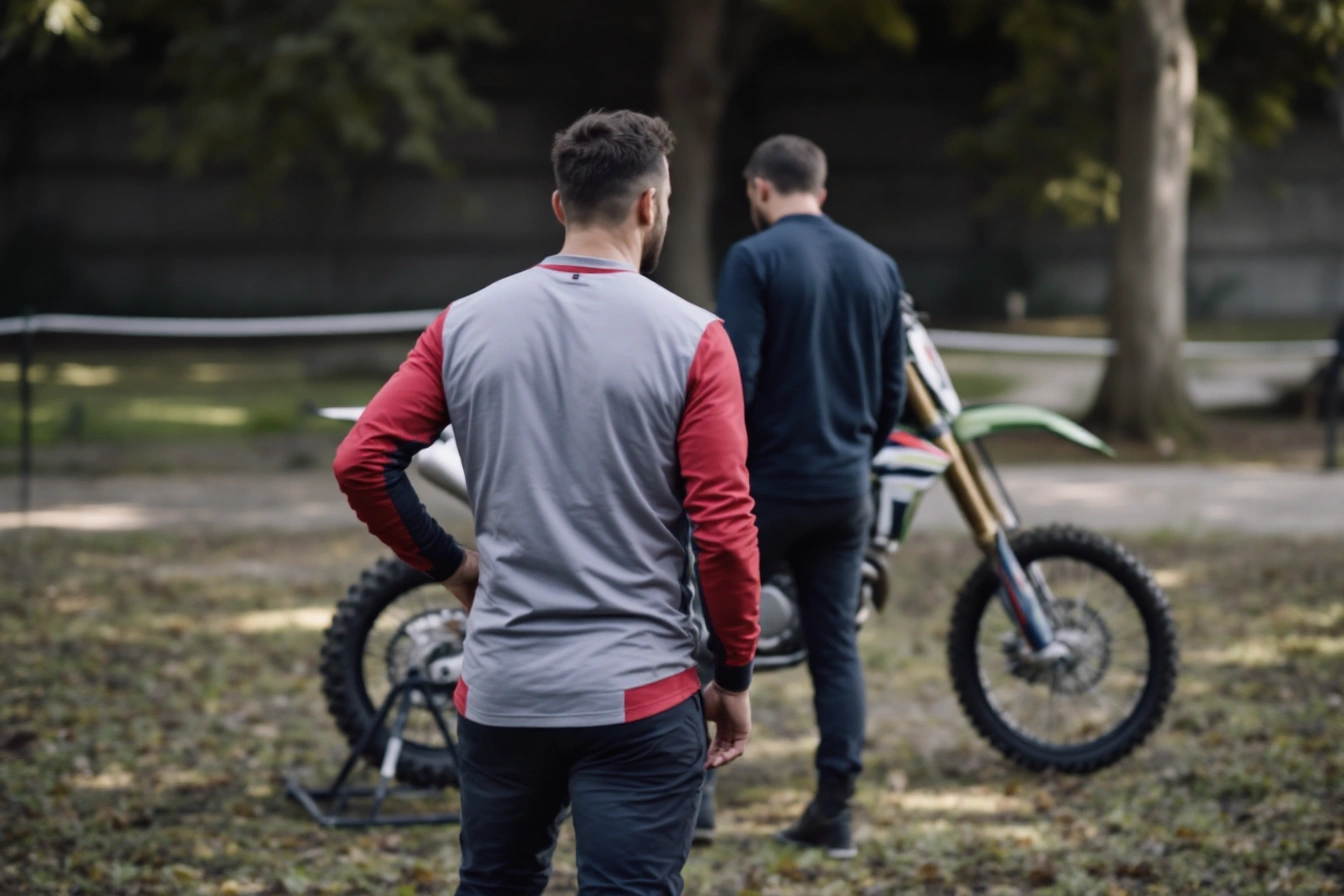
Motocross fitness advice: off-bike training, grip and arm pump, recovery and a weekly routine that fits around work and riding.
Motocross fitness is not the same as general fitness. A rider needs a strong base, but the sport also asks for grip endurance, a stable core and the ability to recover between motos. A rider who trains like a bodybuilder can still fade after ten minutes on a rough track.
This guide covers the training that transfers to riding, the causes of arm pump and a weekly routine that fits around a normal job. It is general training information, not a medical plan. If an injury hurts, stop. Get it looked at.
Off-bike training
Aerobic work builds the engine. Cycling and swimming are the classic choices because they are low impact and do not load damaged joints. A rider coming back from a knee or shoulder injury can often cycle before they can run.
Strength work builds the chassis. The legs drive the bike, the core holds the body over the pegs and the back and shoulders absorb the bars. Squats, lunges, step-ups and single-leg work transfer well. So do pull-ups and rows, plus presses.
Do not neglect the small muscles. Wrist and forearm work, grip squeezes and rotator cuff exercises help with the repetitive load of riding. A strong rider with weak grip still loses the bars in a whoop section.
Riding itself is the best training, but it is hard to get enough of it. Treat a track day as a hard session and plan the rest of the week around it.
A base-building block
Start with easy aerobic work for a few weeks before you add intensity. A 30 to 45 minute cycle or swim at a pace you can hold a conversation is enough. The goal is to build the habit and the base, not to prove anything.
Add two strength sessions a week. Keep the exercises simple: a squat or leg press, a lunge, a step-up, a row, a press and a core exercise. Use a weight you can control for eight to twelve reps.
After four weeks, add one harder aerobic session. Intervals on a bike or a rowing machine work well because they do not pound the legs. Keep the other sessions easy.
Do not add intensity and volume in the same week. Pick one variable and change it slowly.
Grip and arm pump
Arm pump is the tight, painful feeling in the forearms that makes the brake and clutch hard to control. It has several causes, and fitness is only one of them.
Gripping too hard is the first cause. A rider who holds the bars like a lifeline uses the small forearm muscles all day. Relax the grip, keep the elbows up and let the bike move under you. Most riders grip harder when they are scared or tired, which makes the pump worse.
Suspension setup is the second cause. A harsh fork sends every bump into the hands. If the bike beats you up, fix the clickers before you blame your fitness. The suspension guide explains the adjustments.
Hydration and braking technique matter too. A rider who brakes with two fingers and covers the clutch uses less grip than one who grabs a fistful. Practice using the controls with less hand tension.
Grip training helps, but it is not a cure. Build forearm endurance with low-weight, high-rep work and carry a soft grip trainer. Do not train to failure the day before a ride.
Bike setup and technique
A bike that is set up for a lighter or faster rider will beat you up. Check the sag, the fork height and the clickers before you blame your hands. A rider who is fighting the bike grips harder without noticing.
Bar position and lever angle matter too. A flat bar or a lever that forces your wrist up puts the forearm muscles at a disadvantage. Small changes to the controls can make a long ride more comfortable.
Braking technique is part of the same story. Use two fingers, keep the wrist neutral and release the brake as you turn. A rider who grabs a fistful of front brake in every corner works the forearm much harder.
Recovery

Recovery is where the training becomes fitness. Sleep is the main tool. A rider who sleeps badly will fade in the second moto no matter how many intervals they do.
Eat enough protein and carbohydrate to support the work. A rider who is dieting hard and riding hard will lose strength and recover slowly. Fuel the ride and the day after.
Plan easy days. A hard track day, a strength session and a long bicycle ride on three consecutive days is a recipe for a tired rider. Alternate hard and easy work, and take a full rest day each week.
Watch for signs that you are overdoing it: a resting heart rate that stays high, poor sleep, a training session that feels harder than it should, or a niggle that will not settle. Back off for a few days.
Sleep and the training week
Sleep is the cheapest recovery tool and the first one to go when work gets busy. Aim for a consistent bedtime and a dark, cool room. A rider who sleeps six hours and trains hard is borrowing against the next ride.
A hard session should be followed by an easy day or a rest day. Two hard days in a row are sometimes useful, but not every week. The easy days are where the body adapts.
Stress outside riding counts too. A demanding week at work is a reason to reduce training volume, not to add a second hard session.
A weekly routine
The best routine is one you can repeat. A rider with a job and a family may only have three or four sessions a week. That is enough if the sessions are planned.
A simple week:
- Two strength sessions of about 40 minutes, focused on legs and core, plus pulling.
- One or two aerobic sessions on a bike or in a pool, at an easy pace.
- One ride day, treated as the hard session of the week.
- One full rest day, plus a short mobility session if it helps.
If you race at the weekend, make the Thursday session light and keep Friday easy. Do not test a new training program on race week.
Track your sessions in a notebook or a phone. Write down what you did and how you felt. After a month, you will see which sessions help and which ones just make you tired.
A four-week build
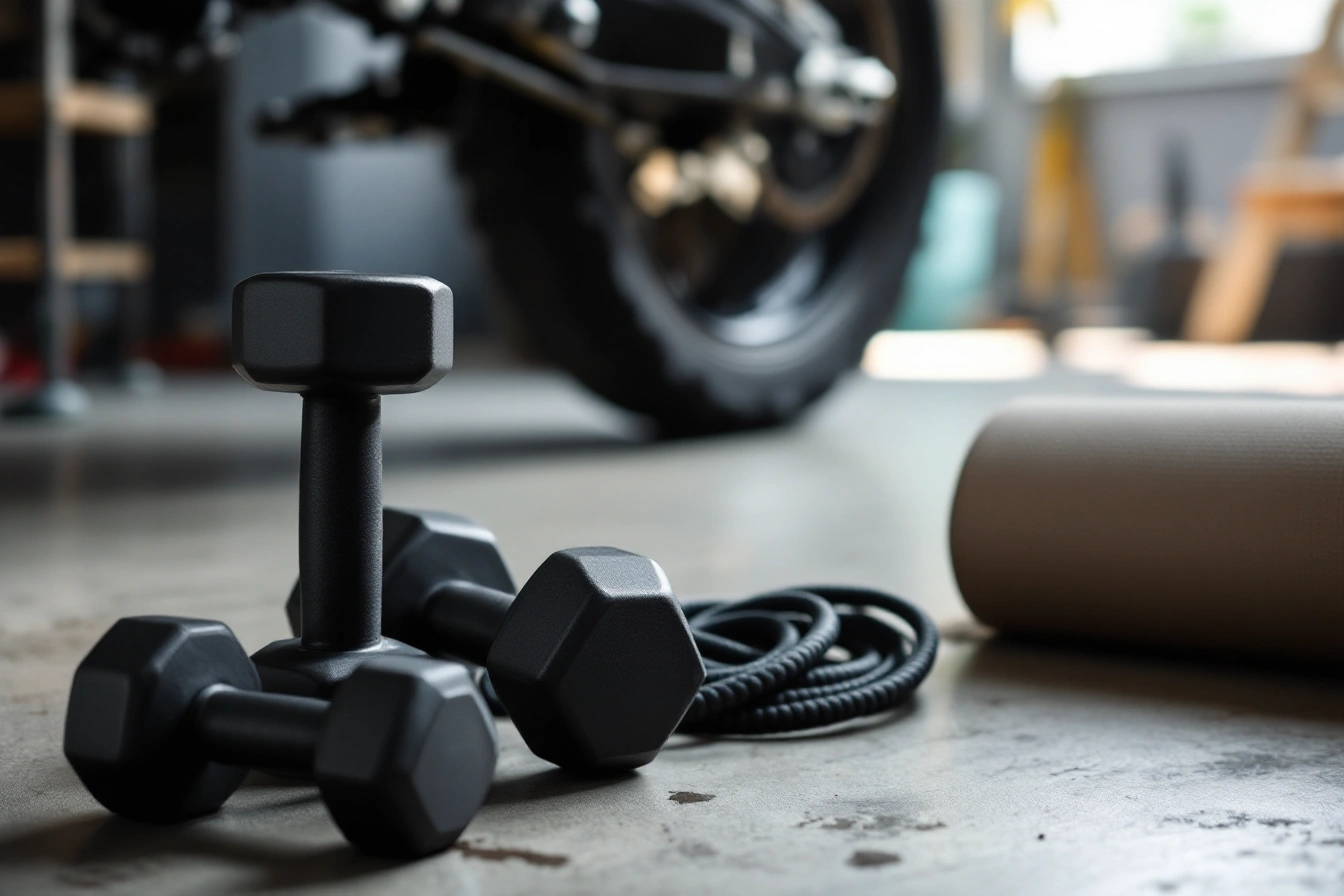
Week one is about showing up. Two strength sessions and two easy aerobic sessions, with no riding if the weather is bad.
Week two adds a ride day. Keep the strength work at the same load and see how you recover.
Week three adds one interval session. Keep the intervals short and the total work modest. If the ride day suffers, cut the intervals.
Week four backs off by about a third. Use the extra energy for a race or a longer ride. Then start again with a slightly higher base.
The numbers matter less than the pattern. A rider who builds for three weeks and backs off for one will improve more than a rider who goes hard every week and gets injured.
Training with limited time
A rider with two hours a week can still improve. Use one session for strength and one for aerobic work, and make the ride day the hard session. Keep the strength session short and compound: a squat, a row, a press and a core exercise.
A 20-minute session done consistently beats a two-hour session once a month. If time is tight, cut the volume, not the frequency. The habit is the foundation.
Short rides count too. A 30-minute session on a local track, focused on one skill, is better than no ride. Bring water and treat it as practice, not a race.
What to track
Write down the session, the duration and how you felt. Add the ride days and the sleep. After a month, look for the pattern: which weeks felt good, which sessions were too hard and where the niggles started.
A simple note is enough. The point is to notice what works before you add more training. A rider who tracks sleep and training usually spots an overload before it becomes an injury.
If you are coming back from a long break, start with walking and easy cycling before you add strength work. The first two weeks are about tolerating the routine, not about hitting a target. A rider who starts too hard in week one is the rider who quits in week three.
A training partner helps. A friend who rides at a similar level will keep the sessions honest and make the easy days easier. If you train alone, put the sessions in a calendar and treat them like an appointment.
The goal is not to be the fittest rider at the track. It is to finish the day with enough control to ride home safely and enough energy to want to come back. That is a sustainable target, and it is the one that makes the biggest difference over a season.
A rider who can finish a full day and still want another one is fit enough for club riding. Race fitness is the next step, and it comes from more riding, not from more gym sessions.
Fitness is a long game. A rider who trains consistently for a year will beat a rider who trains hard for six weeks and then stops. Build the habit first, then add volume.
If you are buying a used bike, a fitness plan will not fix a worn suspension or bad tires. Use the used motorcycle checklist and the dirt bike size chart before you spend money on training.
Last updated: